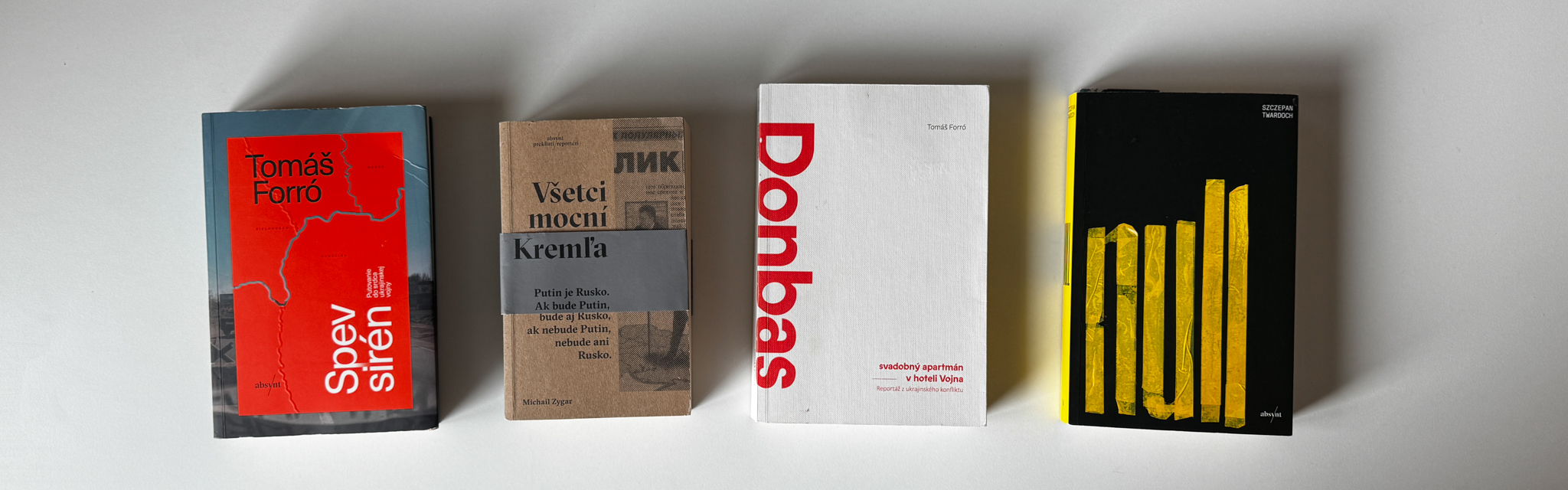
Russia’s full-scale invasion of Ukraine in February 2022 produced an avalanche of books — memoirs, histories, analyses — many of them rushed and shallow. These five (or six, as you will see) are not. Whether you want to understand how the war feels from the inside, how Russia arrived at this point, or how information itself became a weapon, this list covers all three angles without repeating itself. I read all of them in the past two years and each one left a mark.
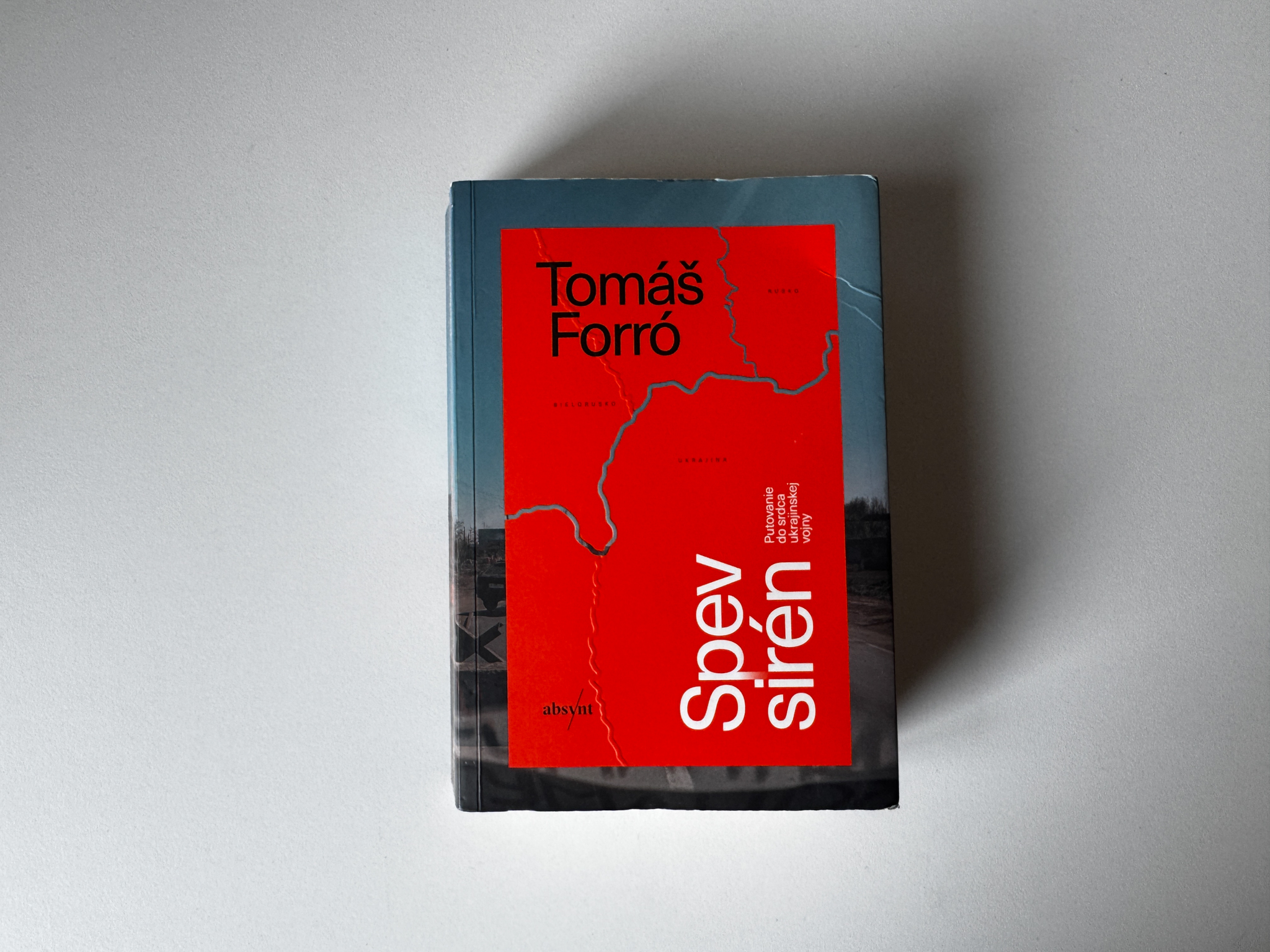
Tomáš Forró – Spev Sirén & Donbas
While this technically makes the list a six, Forró’s book double is essential in understanding individual war events spanning since 2014. Spev Sirén (The singing of sirens) describes the events from just-before the invasion in 2022 until the beginning of 2024. The book’s non-linear and raw storytelling will immediately suck you in and push you to read the 650-page piece in one breath. The raw, honest and objective description of stories that sound completely surreal are the book’s main strengths. You will catch yourself reading with open mouth many times. Important places or events from the stories are given historical context through short explainers. As a war reporter, Forró goes a long way to deliver to his readers and Spev Sirén is a true masterpiece of war reportage.
My rating: 5/5
Donbas is a prequel to Spev Sirén and consists of scattered visits to (as the name suggests) Donbas region in 2014-2017. Forró does an excellent job in connecting events, people, complex historical events and foggy Russian tactics from other conflicts. The brutal chaos of the war is comprehensible from every word on the page and Forró, unlike a typical journalist, actually spends time on both sides of the conflict, giving a unique point of view on many of the war events. Non-linear storytelling works again and some stories will leave you chilled. Even though the book is better read first from the series, it is rather complementary and you will understand a lot just by reading Spev Sirén alone. That does not diminish its qualities and I highly recommend starting with it for a deep dive into the roots of the conflict.
My rating: 5/5
Unfortunately, Donbas is unavailable to English speakers as of yet (May 2026), so unless you speak Slovak, Czech or Polish, you would need to use alternative ways of translating the content. Spev Siren is expected to be translated to English in February 2027.
Mikhail Zhygar – War and Punishment
As much as Forró pulls you in through personal anecdotes and hands-on experience, Zhygar’s depth is in historical and contextual analysis of modern-day events. War and Punishment is divided into two parts: historic and modern oppression of Ukraine. The book is comprehensive and detailed on many facts and events in Ukraine’s history that seem unrelated at first, but Zhygar’s ability to draw parallels with modern-day implications is spectacular. While wordy at times, it does an excellent job in delivering what it promises – explaining the path to Russia’s invasion of Ukraine. If you’re interested in understanding the arguments and nuances of “what led to what” quite deeply in the history, this is a must-read.
My rating: 4/5
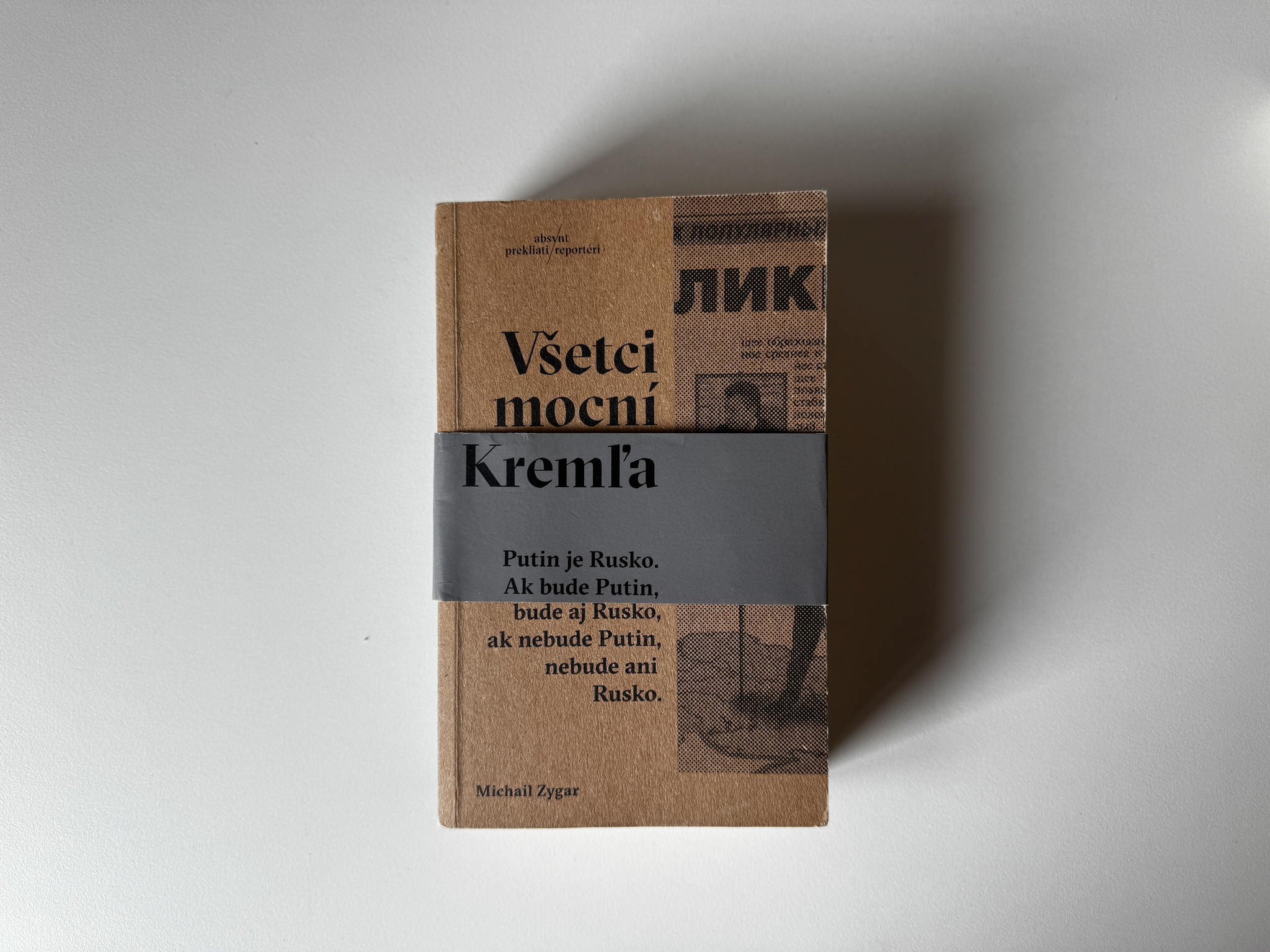
Mikhail Zhygar – All the Kremlin’s Men
The second Zhygar’s book on the list is much less about the particular events leading to 2022 invasion nor it is about reportage from the conflict zones. Instead, All the Kremlin’s Men is a study of complex relationships of people (previously) surrounding Vladimir Putin, even from international politics, from the start of his career. Zhygar’s deep understanding of the Russian context is translated into a skillful dissection of roles and motivations of individuals in Russian politics. Quite well-cited, the 400-page piece is easy-to-read and you will have nice intellectual time connecting the dots to your local politicians, contexts and implications from everything depicted in the book.
My rating: 4/5
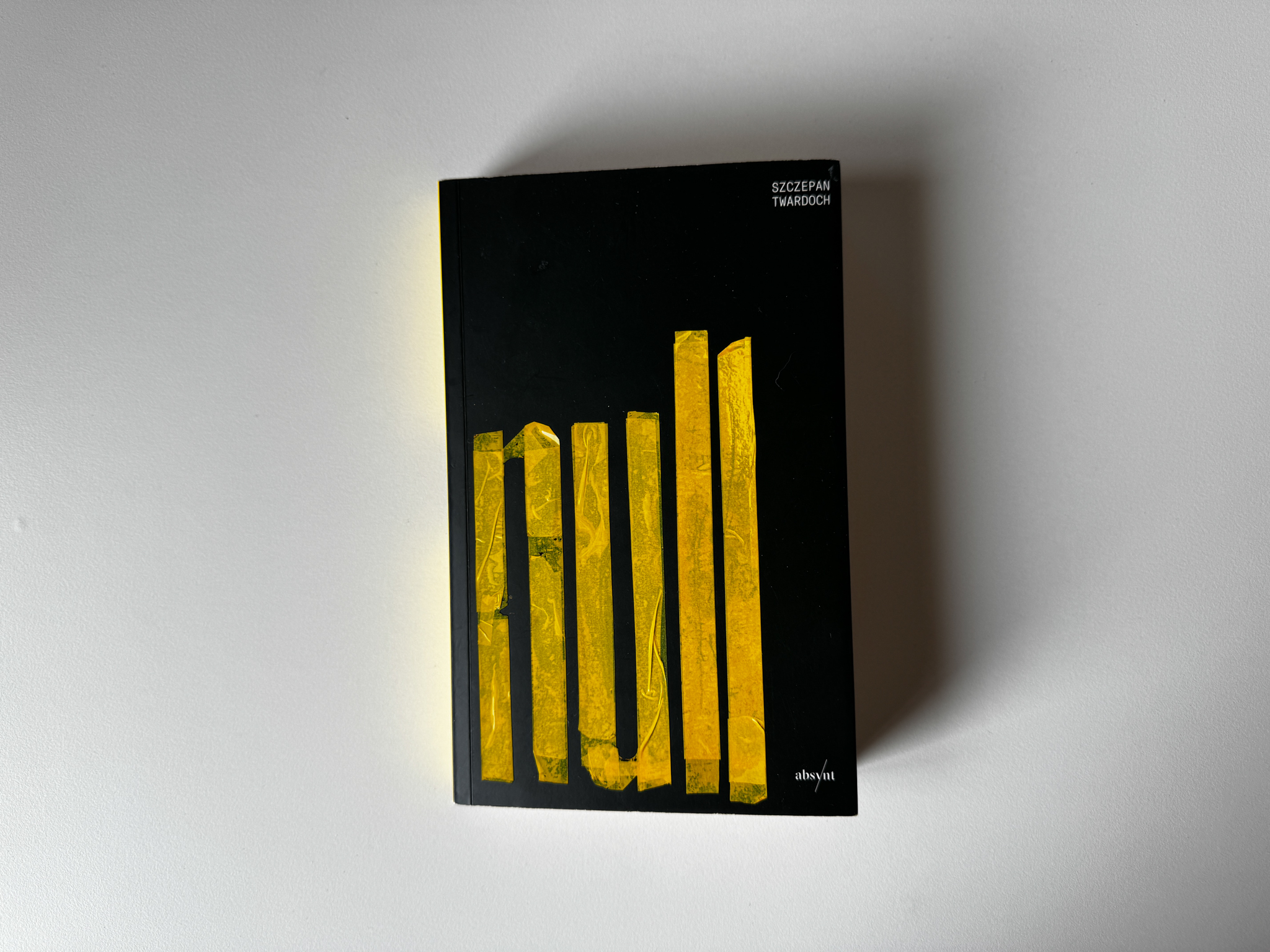
Szczepan Twardoch – Null
Null by Twardoch holds a very special place on this list – it is the only book that is completely fictional. Null, the name pointing to the null zone on the frontline, is a story of a Polish-Ukrainian soldier with a nickname Horse. The fictional nature of the book, however, does not decrease its credibility, author’s knowledge is omnipresent on every page. If you know a few real stories, you will certainly get a feeling that this book could very well be real with only names redacted and modified to protect real identities. Written in an unconventional second-person point of view, the storytelling and atmosphere will keep you glued on every chapter and you will have this book done before you realise that nothing in the book is real. The ending is slightly predictable but the book’s atmosphere is certainly worth it.
My rating: 4/5
Thomas Rid – Active Measures
The last book on the list is unrelated to the war itself directly, but gives a very decent context on the propaganda methodologies surrounding the war itself. Active Measures is a mini-textbook on the history of disinformation and information warfare campaigns. Rid covers the most spectacular campaigns predominantly committed by the two giants of the Cold War – CIA and KGB, but there are chapters covering some early-era stunts, impressive campaigns done by smaller agencies, and modern-day security breaches. It is surely lengthy and some chapters are less dramatic than others, but for everyone interested in understanding information warfare – that is truly essential in the conflicts in the Ukrainian history – and its effects on the population, this book will do the job more than well.
My rating: 4/5